Redesign the Web.
redesigned, fixed, migrated. Or all three.
Two ways in.
Say what you want in a sentence and the master skill picks the route.
Redesign
New design on the site you have.
extract → direct → prototype → migrate
A
B
Shortcut
/stardust:uplift <url>
one URL, three pitch variants, one cinematic
Migrate as is
Same design, new platform.
replica → deploy → rollout
A
B
Shortcut
/stardust:replica <url>
Take a live site.
Bring it back redesigned.
Extract
/stardust:extract <url>Read the site you already have.
https://www.example.com/
5 pages
Brand surface
Aa
serif display
1.25 scale
radius 12px
voice: assured
5 pages
gradient blob hero
- Real browser render, not view-source
- Palette, type scale, motifs, voice
- Every line of copy, counted
- PRODUCT.md and DESIGN.md as output
Direct
/stardust:directOne sentence in. A direction out.
/stardust:direct
seed ·
md5("example.com" · today)
a3f7c92e
8b1d488a
0c5ef691
3427bbd1
→ resolves to
decade
1970s
a3
craft
letterpress
f7
register
editorial
c9
ground
inherited
—
- Brand-faithful by default, rebrand on request
- References first, seed for the rest
- Decade, craft, register from the roll
- A target spec and its reasoning trace
Prototype
/stardust:prototypeBefore and after, side by side.
Before
After
6 viewports
- Critique, audit, adapt, motion
- Checked at six viewports
- Optional cinematic motion register
- Approve, then migrate to every page
Frescopa,
before and after.
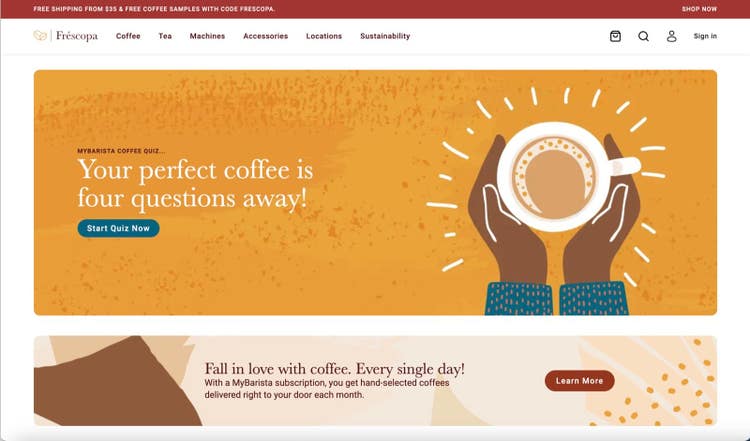
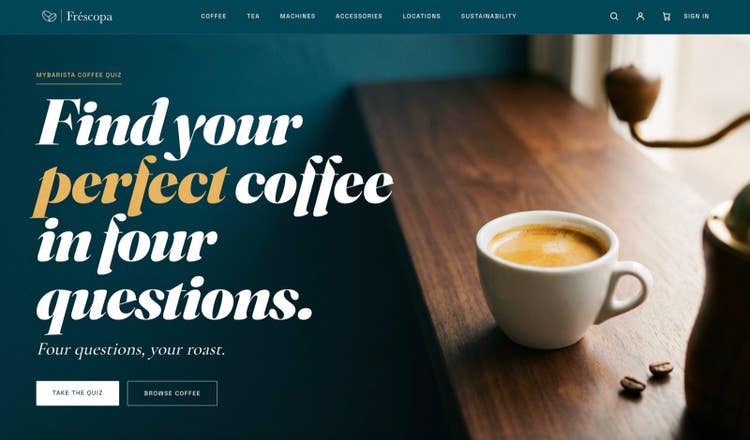
Keep the design.
Change the platform.
Replica
/stardust:replica <url>The site you have, rebuilt clean.
gate · 2 breakpoints
diff < 2% ✓
live
replica
structure ✓
visuals ✓
pixel diff ✓
- One archetype per page type
- Clean HTML and CSS, no DOM copy
- Pixel diff gate at two breakpoints
- migrate clones the sibling pages
Deploy
/stardust:deployOne page into blocks.
index.html → blocks
preview · publish · check
hero
cards
text
quote
- Each section becomes one block
- Copy stays editable in Document Authoring
- Internal links rewritten to the new origin
- Live page checked before it counts
Rollout
/stardust:rolloutThe whole site, then the check.
stardust/rollout/ledger.json
delivered 112 / 134
/
delivered
/about
delivered
/products
delivered
/products/beans
delivered
/news/2026
deploying
/contact
pending
shared blocks ✓ · sitemap ✓ · redirects ✓ · links ✓
- A ledger of shipped and pending pages
- Blocks shared, not forked per page
- Sitemap, redirects, link audit
- qa reports on the live site
Install it.
Docs included.
~/project ›
/plugin marketplace add adobe/skills
/plugin install stardust@adobe-skills
installed stardust
/plugin marketplace add pbakaus/impeccable
/plugin install impeccable@impeccable
installed impeccable · design craft
~/project ›
/stardust make example.com feel like a magazine, keep our type
reading example.com · 5 pages
brand-faithful mode · palette and type pinned
decade ✓ rolled → 1970s craft ✓ rolled → letterpress
plan written to stardust/direction.md · confirm to run